
Somatic Cell Count Tester
Somatic Cell Counter For Milk
Somatic Cell Count Test Kit
New generation counter
Fully automation
No training required
Color coded and easy to read
Low cost per test
Contact UsFully automation
No training required
Color coded and easy to read
Low cost per test

Experiences
More than 20 years somatic cell count tester manufacturing

Certifications
ISO9001 approval, product comply with international standard

Customization
Rich experience in tailor-made somatic cell count tester

Delivery
Worldwide delivery
short lead time
short lead time

What is Somatic Cell Count Tester?
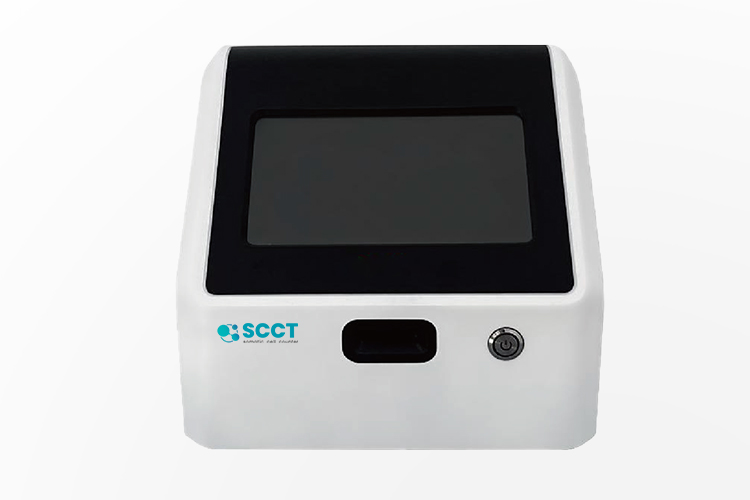
Somatic cell count tester (It is somatic cell counter for milk), also known as somatic cell count milk tester, is a detection device used to automatically measure the number of somatic cells in milk. It is mainly applied in the quality control and product development of various dairy products, as well as providing quantifiable scientific data for the evaluation of liquid milk quality and treatment of diseases in dairy cows on pastures by accurately counting somatic cells in milk. Somatic cell is a type of white blood cell. The number of somatic cells in milk can reflect the health condition of the dairy cow and the quality of the milk. If the number of somatic cells in milk increases sharply, it may reach several million per milliliter or even higher. This may indicate that the cow is suffering from diseases such as mastitis so that affecting the quality and safety of the milk.
Somatic cell count tester deeply integrates Fluorescence Flow Cytometry with the demands of the dairy industry, redefining quality control standards with cell-level detection accuracy from farm breeding management to dairy processing quality control. When its photoelectric sensor captures the fluorescence signal in milk, what is recorded is not only the number of somatic cells, but also a dual guarantee for animal health and dairy product safety. Somatic cell count milk tester, with its precise quantitative detection capability, acts as a quality guardian connecting pastures and processing plants, providing scientific quantitative basis for the somatic cell content in fresh milk and processed milk, and building a data bridge in the fields of milk source control and animal health care.
Working Principle of Somatic Cell Count Tester
Somatic cell count tester is a device used to measure the number of cells in milk. It is based on the principle of Fluorescence Flow Cytometry and achieves counting by measuring the fluorescence signals of bacterial cells in milk. These cells are usually epithelial cells and immune cells from the breast. Changes in their quantity can reflect the health status and quality of the milk. When the milk sample passes through the counter, the instrument emits a laser into the sample, causing the bacterial cells to fluoresce. Somatic cells and non-somatic cells exhibit different scattering and absorption characteristics under the influence of light. These fluorescence signals will be received by the detector and converted into electrical signals, enabling the instrument to accurately distinguish them. Through the analysis and processing of light signals, the instrument can determine the number of somatic cells in milk.

The working principle of somatic cell count milk tester makes the measurement results more accurate and reliable. Compared with the traditional manual counting method, somatic cell count tester can automatically complete the measurement process, reducing the possibility of human error. In addition, the instrument can also quickly measure a large number of samples, improving work efficiency. The application of somatic cell count milk tester makes the assessment of milk quality more accurate and reliable, providing consumers with safer and healthier milk products.
Somatic Cell Count Tester vs. Traditional Microscopic Counting

| Feature | Somatic Cell Count Tester | Traditional Microscopic Counting |
|---|---|---|
| Accuracy and Sensitivity | Higher accuracy and sensitivity | Lower accuracy and sensitivity |
| Speed and Efficiency | Higher speed and efficiency | Lower speed and efficiency |
| Automation and Time | Full automation and short time | Manual operation and long time |
| Application Scenarios | Widely used in different scenarios | Limited used in laboratory |
| Maintenance Cost | Lower long-term cost | Higher long-term cost |
Somatic Cell Count Tester Overview

Why Use Somatic Cell Count Tester to Test Milk?
Somatic cell count tester, as an analytical instrument used to detect the somatic cell count in milk, is playing an increasingly significantly role in milk quality control. Somatic cell count milk tester not only ensures the quality and safety of milk, safeguards consumers' health rights, but also guides the production and management of dairy farms, enhances the market competitiveness of dairy products.
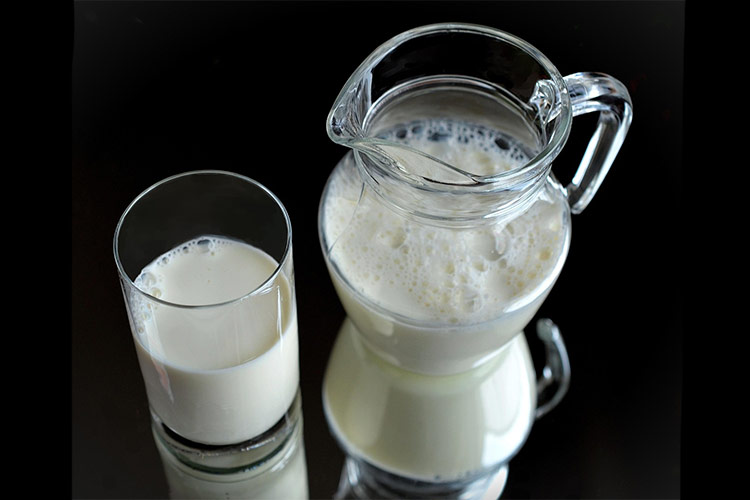
Ensure milk quality: Somatic cell count milk tester can determine whether the milk has been affected by bacterial contamination or diseases such as mastitis. These issues can be promptly identified and addressed to ensure that the milk quality meets the standards.

Monitor health of dairy cows: Somatic cell count milk tester can indirectly understand the health status of dairy cows. Timely detection and handling of these issues are conducive to monitor dairy cows and improving their production efficiency.
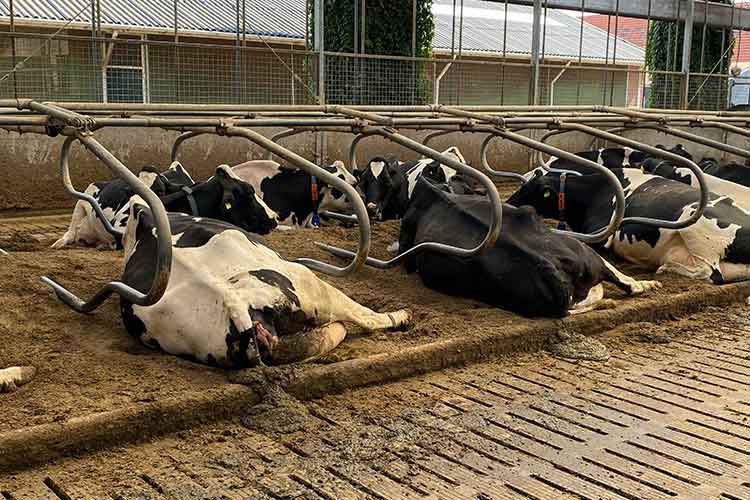
Guide production and management: Somatic cell count milk tester can understand the hygiene conditions of the dairy farm, the level of feeding and management, helping it improve production efficiency and management level.

Promote sustainable development of animal husbandry: Somatic cell count milk tester can improve the quality and safety of dairy products, enhance consumer confidence. Therefore, the sustainable development of animal husbandry can be promoted.
Why Choose Our Somatic Cell Count Tester?

Single-cell microfluidics technology
Conduct individual analysis on each somatic cell. Provide more reliable detection results Ensure high sensitivity and accuracy of the detection

Nano-fluorescent dyes
Provide high accuracy compared with traditional methods. Enable single-cell imaging for detailed analysis
Ensure more reliable counting of each cell

Reagent drying technology
Store reagents at room temperature
Enhance the adaptability to the test environment. Do not require special refrigeration condition

Dual-channel verification technology
Utilize dual-chip and dual-channel verification
Ensure precision of somatic cell counting
Enhance the credibility of the test result

Easy to use
Simply use and no professional training required. Automatically detect cell condition Managed data with a large storage capacity

Easy cleaning and maintenance
Use disposable consumables to prevent cross-contamination. Ensure comprehensively resist pollution. Save time and costs for user
Application of Somatic Cell Count Tester

Dairy Farm

Dairy Processing Factory

Dairy Product Testing

Milk Collection Center
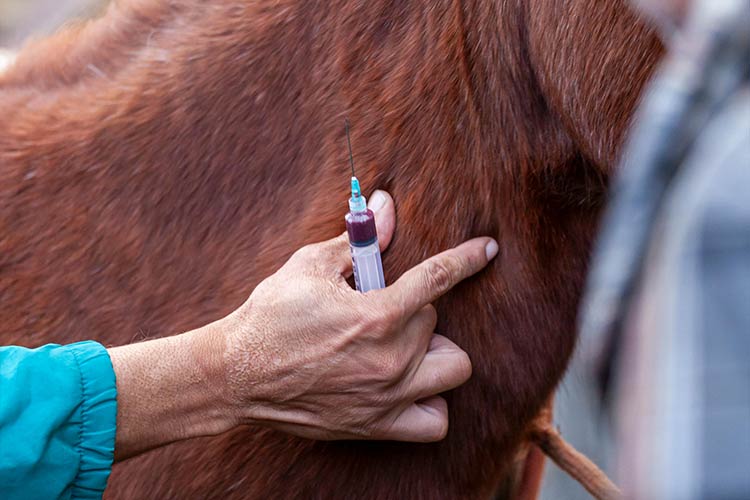
Veterinary Clinical Diagnosis

Animal Health Research
What Types of Milk Can Be Used in Somatic Cell Count Tester?
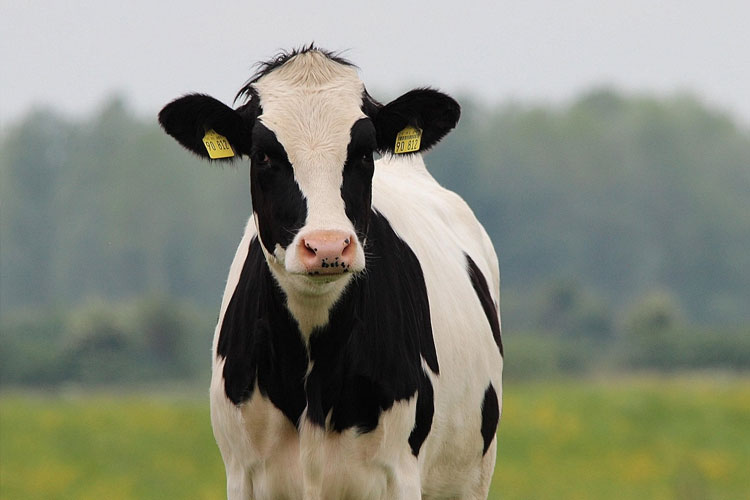
Cow Milk

Buffalo Milk

Camel Milk

Goat Milk
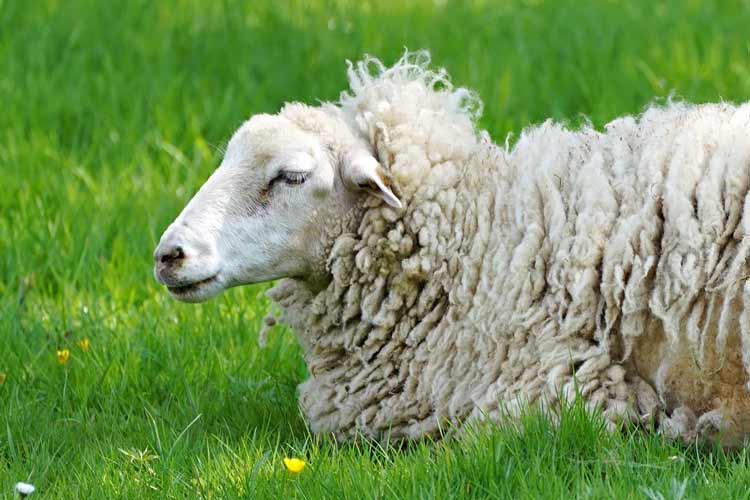
Sheep Milk

Mare's milk
How to Use Somatic Cell Count Tester?

Warming bath
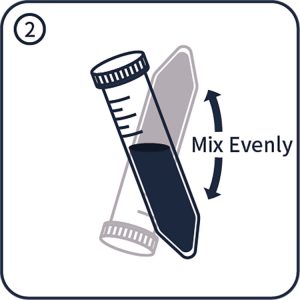
Mixing specimen evenly

Staining

Specimen injection

Running on the machine
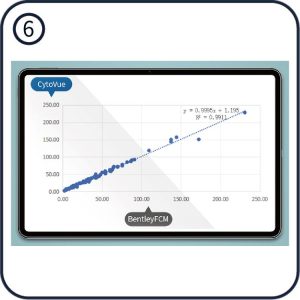
Reading results
Operation System of Somatic Cell Count Tester

Start running

Processing

Records
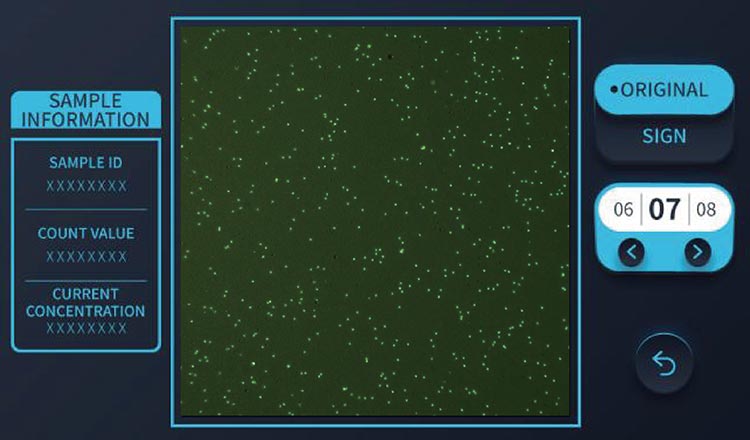
Results
Parameter of Somatice Cell Count Tester
| Dimension 230*215*245mm | Weight 2.7kg | Display 7’ touch screen |
|---|---|---|
| Detection range 0 - 5M pcs/mL | Spicemen volume 100μl | Detection volume 4.5μl/channel |
| Repeat 500,000 cells/ml, CV: 5% 200,000 cells/ml, CV: 7% | Voltage AC100 - 240V/ 50~60Hz DC12V/3.0A | Data memory: 1000 records Interface: WIFI, RJ45, USB, etc. |
FAQ of Somatic Cell Count Tester
What is the meaning of somatic cells in milk?
The Somatic Cell Count (SCC) of milk is defined as the total number of white blood cells and mammary epithelial cells in each milliliter of milk. These cells maintain breast health by phagocytosing pathogens and repairing damaged tissues.
What is the normal range of somatic cell count in milk?
The normal range is between 200,000 and 300,000 per milliliter. When the breast is invaded by pathogenic bacteria, the number of white blood cells will increase sharply, leading to an increase in SCC. Exceeding 300,000 per milliliter indicates a risk of diseases such as mastitis.
What causes high somatic cell count in milk?
The infectious pathogenic bacteria and environmental pathogenic bacteria can enter the milk area of dairy cows, increasing somatic cells (SCC) quantity. If dairy cows with mastitis are not isolated and treated in time, cross-infection will occur and the contaminated group will expand.
Do all cows have somatic cells in milk?
Yes, somatic cells are present in the milk of all dairy cows. But the number of somatic cells in the milk of normal and healthy dairy cows is usually lower. When cows suffer from diseases such as mastitis, the number of somatic cells increases significantly.
What is the relationship between somatic cell count and mastitis?
When mastitis occurs, the immune system sends more somatic cells into the milk to fight infection, leading to an increased somatic cell count(SCC). High SCC, which typically above 300,000 cells per milliliter, suggests the presence of mastitis.
What are the factors affecting somatic cell count?
Somatic cell count (SCC) is mainly affected by mastitis, milking hygiene, animal stress, breed environment and nutrition. High SCC often signals udder infection, like mastitis, while proper management of these factors can help monitor the milk quality and cow health.
How to test somatic cell count in milk?
Somatic cell count tester can be used to test somatic cell count in milk. It can accurately count and classify cells in sample and assess the quality of milk. This equipment is widely applied in the dairy industry, animal husbandry and other fields.
How to reduce somatic cell count in milk?
Strengthen the management of hygiene and epidemic prevention in cattle farms. Keep the cowshed clean and tidy. In addition, strictly control the hygiene and quality of feed and enhance the cow’s immunity to resist mastitis.